
When Should You Seal Your Pavers in Florida? (Best Time of Year, Signs It's Time)
Published April 18, 2026 · Krystal Klean Exterior
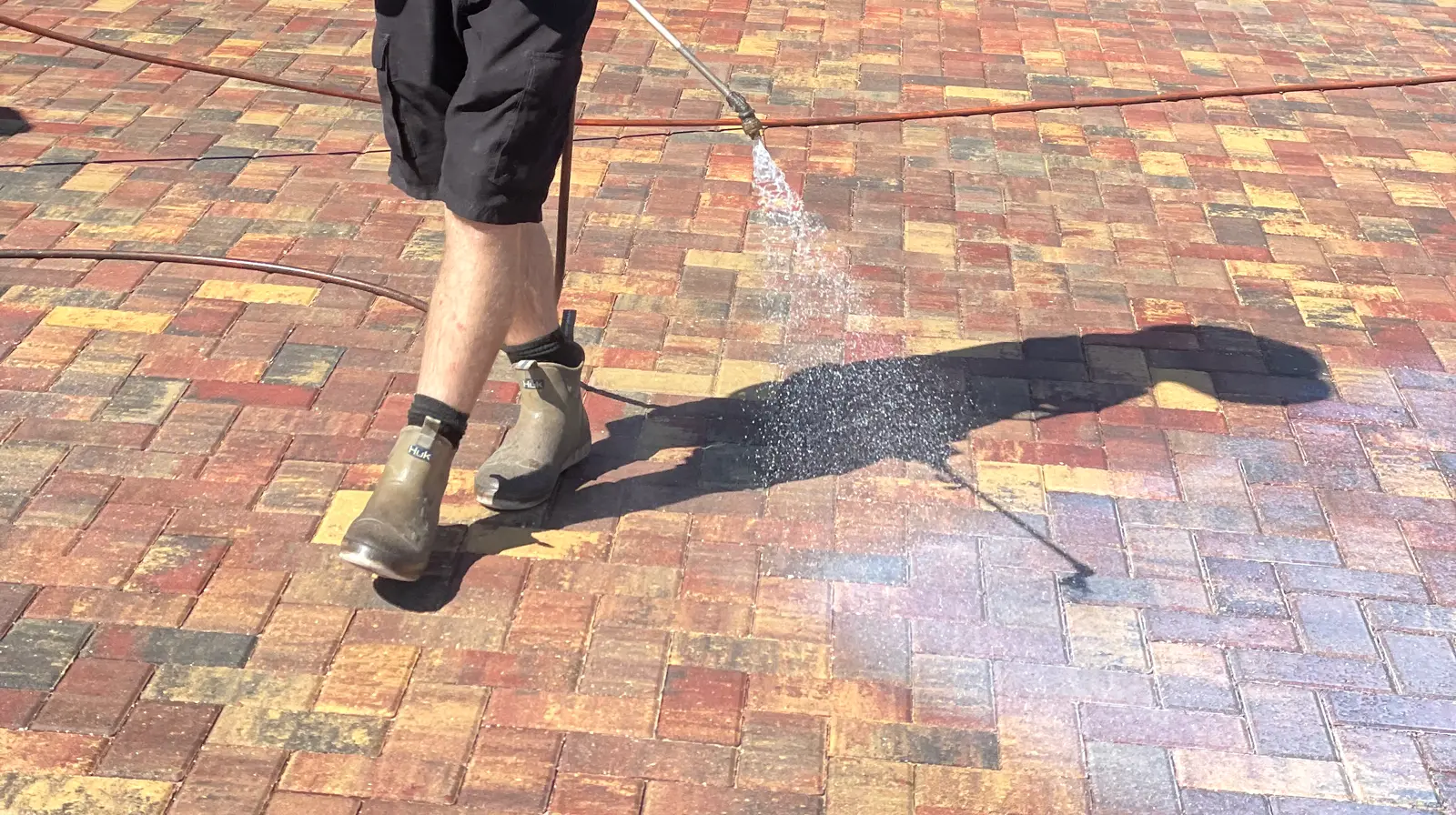
The signs that tell you your pavers need sealing or resealing, plus the best time of year to do it in Florida's climate.
Florida pavers need sealing, but timing matters as much as the sealer itself. Here is how to read your own pavers and pick the right window to do the work.
Signs it is time to seal or reseal
- The color looks faded. Compare protected and worn areas, but remember that fading alone does not tell us what coating belongs next.
- The joint sand is low or missing. Open gaps, weeds and ant activity tell us the joints need attention before sealing.
- Water absorbs differently. If one section darkens or absorbs faster than another, we inspect the old coating and paver porosity before recommending a scope.
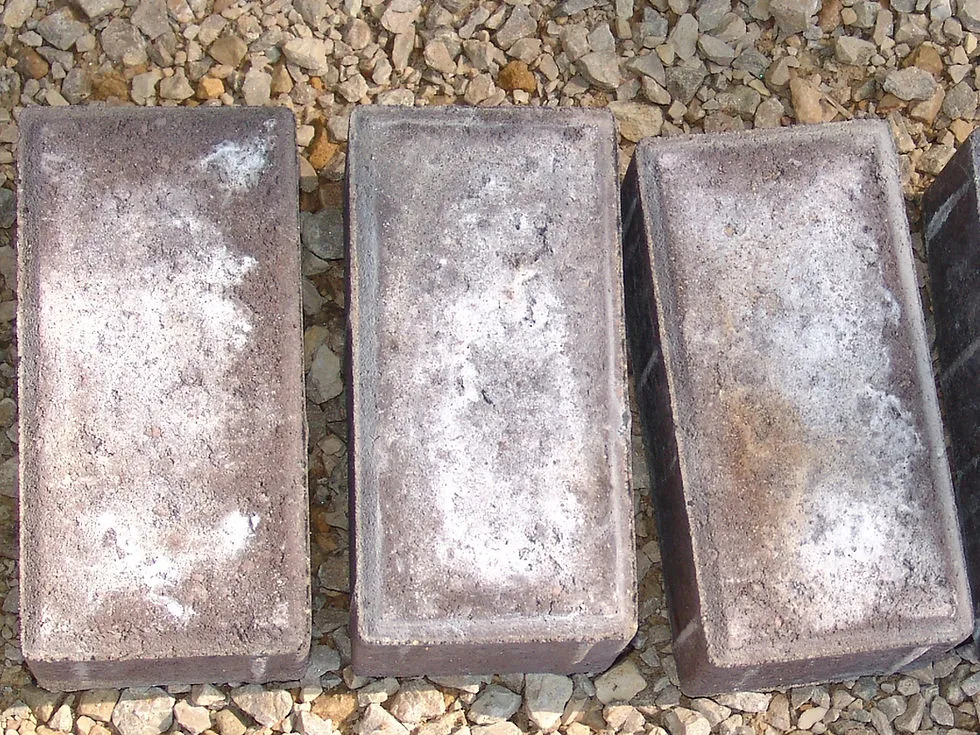
- White haze is showing. We determine whether it is surface efflorescence or moisture trapped under a failing coating before another coat goes down.
What we check when we come look
On site we run three quick tests. We splash water to see whether it beads or soaks in, we press a screwdriver into the joints to gauge how much sand is left, and we look for any old film-forming sealer that is peeling or clouding. Those three answers tell us whether you need a straight clean-and-seal or a strip-and-restart.
Best time of year to seal in Florida
October through May is ideal. Sealer needs completely dry pavers and 24 to 48 hours of no rain to cure properly. The dry season makes that easy.Why summer is harder, not impossible
June through September brings near-daily afternoon thunderstorms. Sealer applied over damp pavers, or rained on while curing, can turn cloudy and fail. We still book summer jobs, we just watch the forecast and time them between systems.
Pasco, Pinellas, and Hillsborough timing factors
The best month is not identical for every Tampa Bay property. West Pasco and north Pinellas homes near the Gulf tend to see more salt film and wind-blown grit, so we pay closer attention to rinsing and drying before sealing. Shaded Trinity and Westchase pool decks often stay damp longer than an open Holiday driveway. Newer Hillsborough subdivisions may have fresh pavers that still need time before the first seal.
The practical rule is simple: seal when the pavers are clean, dry, and stable, not just when the calendar says it is convenient.
When to clean, reseal, or strip
- Clean only: the surface is dirty but the sealer still beads water and the joint sand is firm.
- Clean and reseal: the color has faded, water soaks in, or the joints are low but the old sealer is not peeling.
- Strip and restore: the finish is cloudy, white, gummy, flaking, or uneven from a previous coating failure.
That last category matters. Sealing over failed sealer traps the problem under a fresh coat. If the pavers are cloudy or peeling, start with paver stripping and restoration, not a cheap recoat.
Early signs by surface
- Driveways: tire lanes look dull, edge joints open up, or weeds return near the street.
- Pool decks: bare feet feel loose sand, algae forms near screen edges, or water stops beading around the coping.
- Walkways: the color looks chalky, especially in full sun near the front door.
- Patios and lanais: shaded corners stay damp and develop green growth before the rest of the surface.
A simple inspection routine
- After heavy rain: look for joint washout, ant activity and low spots that hold water.
- When the appearance changes: compare color, sheen and water absorption across the field.
- Before resealing: have the joints, drainage and old coating checked so the next paver sealing scope fits the surface.
What not to do
Do not apply store-bought sealer over damp pavers, active weeds, soft sand, or old sealer that is already failing. Do not blast the joints clean and leave them empty. Do not choose a wet-look finish from a photo without seeing how it behaves on your own pavers. Those shortcuts are how a small maintenance job turns into a restoration job.
If you are unsure, send photos first. A quick look at the joints, finish, drainage, and old coating can prevent the wrong service from being booked. It also helps us flag weather or drying issues before they affect the job.
Common mistakes that force an early redo
The two we fix most often: sealing too soon after a rain or a pressure wash, which traps moisture and leaves a milky haze, and skipping the joint sand so the pavers seal nicely but still shift and grow weeds within a year. Both cost more to correct than to do right the first time.
Photos to send before you book
Send one wide photo of the whole paver field, one close-up of the joints, and one photo of the worst problem spot. If you see white haze, peeling sealer, sunken pavers, or weeds, include those. A few clear photos usually tell us whether this is a normal reseal, a cleaning and re-sanding job, or a restoration quote.
What about brand-new pavers?
New pavers should cure 60 to 90 days before their first seal. That lets surface efflorescence work itself out. We will do the first clean and seal once they are ready, not before.
Not sure where yours stand? Text photos of your pavers and joints to 727-579-7825 and we will tell you if it is time. More detail on our paver sealing service and paver stripping and restoration for failed sealer.
In north Pinellas, the golf-community and waterfront paver installs we reseal most are covered on our Palm Harbor service page.