
ASTM C144 vs. Polymeric Sand: What We Use in Paver Joints
Published April 10, 2026 · Krystal Klean Exterior
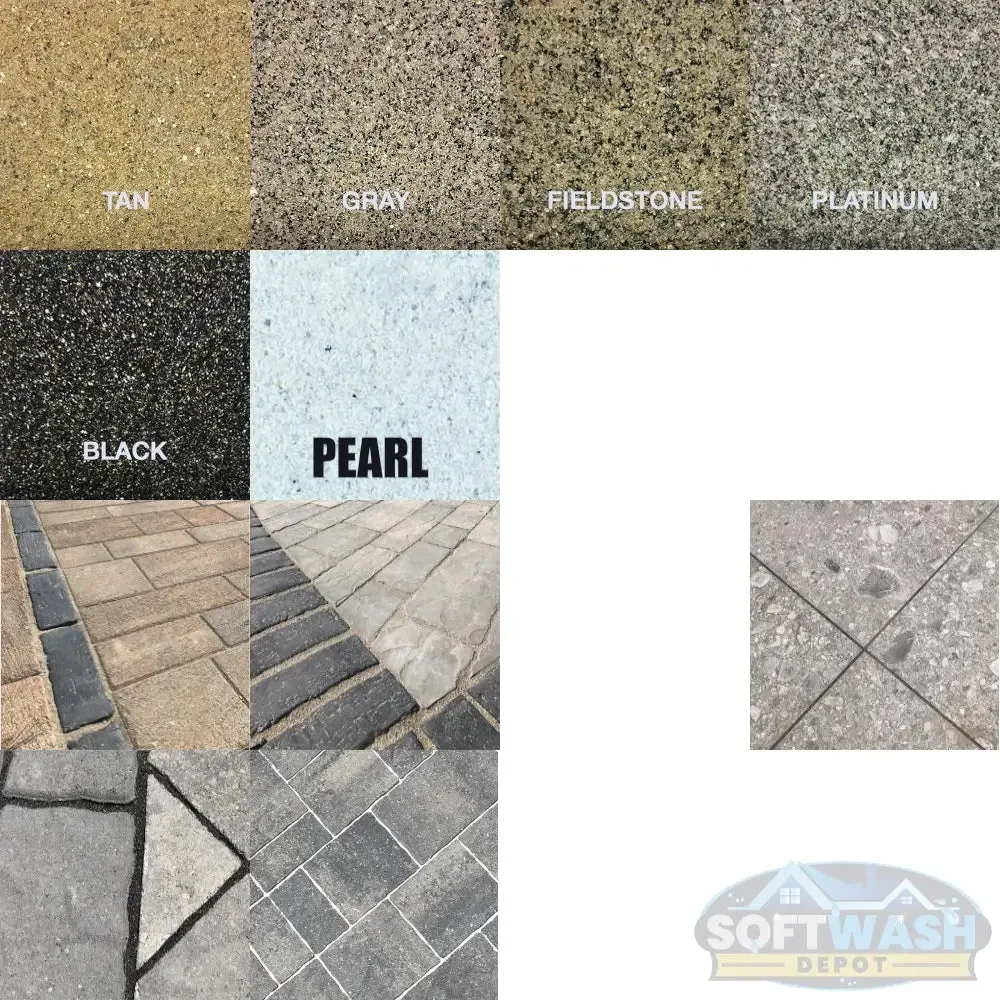
For standard interlocking concrete pavers, we use sand selected to meet ASTM C144 gradation. Polymeric is considered only for compatible pavers with measured joints at least 1/2 inch wide when the manufacturer permits it.
Most homeowners ask whether polymeric sand is the better choice. It is not an automatic upgrade. We look at the pavers, measure the joints and check the drainage before we recommend a joint material.
What we use on a standard paver field
On standard interlocking concrete paver fields, we use joint sand selected to meet ASTM C144 gradation. That specification describes the particle-size grading we want in the joints. It does not mean every bag called joint sand is interchangeable.
We do not make an ASTM C144 claim for a particular bag or brand until we have the supplier's current technical data sheet or gradation documentation on file. The material named in the written scope has to be backed by that paperwork.
If the joints are empty, soft or packed with organic material, start with our paver cleaning and re-sanding service.
When polymeric enters the conversation
We consider polymeric only when the paver is compatible, the measured joints are at least 1/2 inch wide and the selected manufacturer's current instructions permit that application. Joint depth, drainage, cleaning, compaction, activation and weather still have to fit those instructions.
If the field does not meet those limits, we do not force polymeric into the job or sell it as an automatic upgrade.
What we check before choosing sand
We check joint width and depth, edge restraint, washout, low spots, drainage, loose or sunken pavers, weeds, ants and old sealer. New sand cannot correct a failed base or a drainage problem.
Contaminated joints need to be opened and cleaned before they are filled. If an old coating is trapping moisture or peeling, the job may need paver stripping and restoration before re-sanding.
The instructions we follow
We follow the applicable CMHA/ICPI guidance for interlocking concrete pavement and the current manufacturer instructions for the material selected. If the field does not meet the product limits, the scope changes. The product does not get forced onto the field.
What OSHA does and does not do
OSHA regulates worker exposure to respirable crystalline silica. OSHA does not approve joint sand or certify a sand product for paver joints. Silica exposure controls and whether a material has the right gradation for the joint are separate questions.
We do not recommend or specify generic silica sand for paver joints. The written scope should identify the joint material, the supporting supplier documentation and the installation instructions that apply.
What changes the re-sanding scope
The size of the field matters, but so do joint depth, contamination, weeds, washout, edge movement, drainage, access and whether sealing follows. We inspect those conditions before writing the scope instead of pricing every paver field as if it needs the same work.
What you should see in the proposal
A clear proposal should name the joint material, preparation, repairs, sealing work if included and the conditions that are outside the scope. For our full approach, see the paver sealing process.
For an estimate, send one wide photo of the paver field and one close photo of the joints, or call or text 727-579-7825.